

Embarking on the journey of Venture Capital Trends: What Investors Look for in SaaS Startups in 2026, the narrative unfolds in a compelling and distinctive manner, drawing readers into a story that promises to be both engaging and uniquely memorable.
The discussion delves into the significance of SaaS startups, the crucial role of venture capital, and why understanding trends is paramount for aspiring SaaS entrepreneurs.
Introduction to SaaS Startups and Venture Capital
SaaS startups, or Software as a Service startups, play a significant role in the tech industry by offering cloud-based software solutions to businesses and consumers. These startups provide subscription-based services that are accessible online, eliminating the need for physical installations or downloads.
Venture capital plays a crucial role in funding SaaS startups, as these companies often require substantial financial resources to develop and scale their software products. Venture capital firms invest in promising startups in exchange for equity, providing the capital needed for growth and expansion.
Importance of Understanding Venture Capital Trends for SaaS Entrepreneurs
Being aware of venture capital trends is essential for SaaS entrepreneurs to navigate the competitive landscape and secure funding for their startups. By understanding the current trends in the venture capital market, entrepreneurs can tailor their business strategies and pitches to attract potential investors.
Key Metrics and Performance Indicators
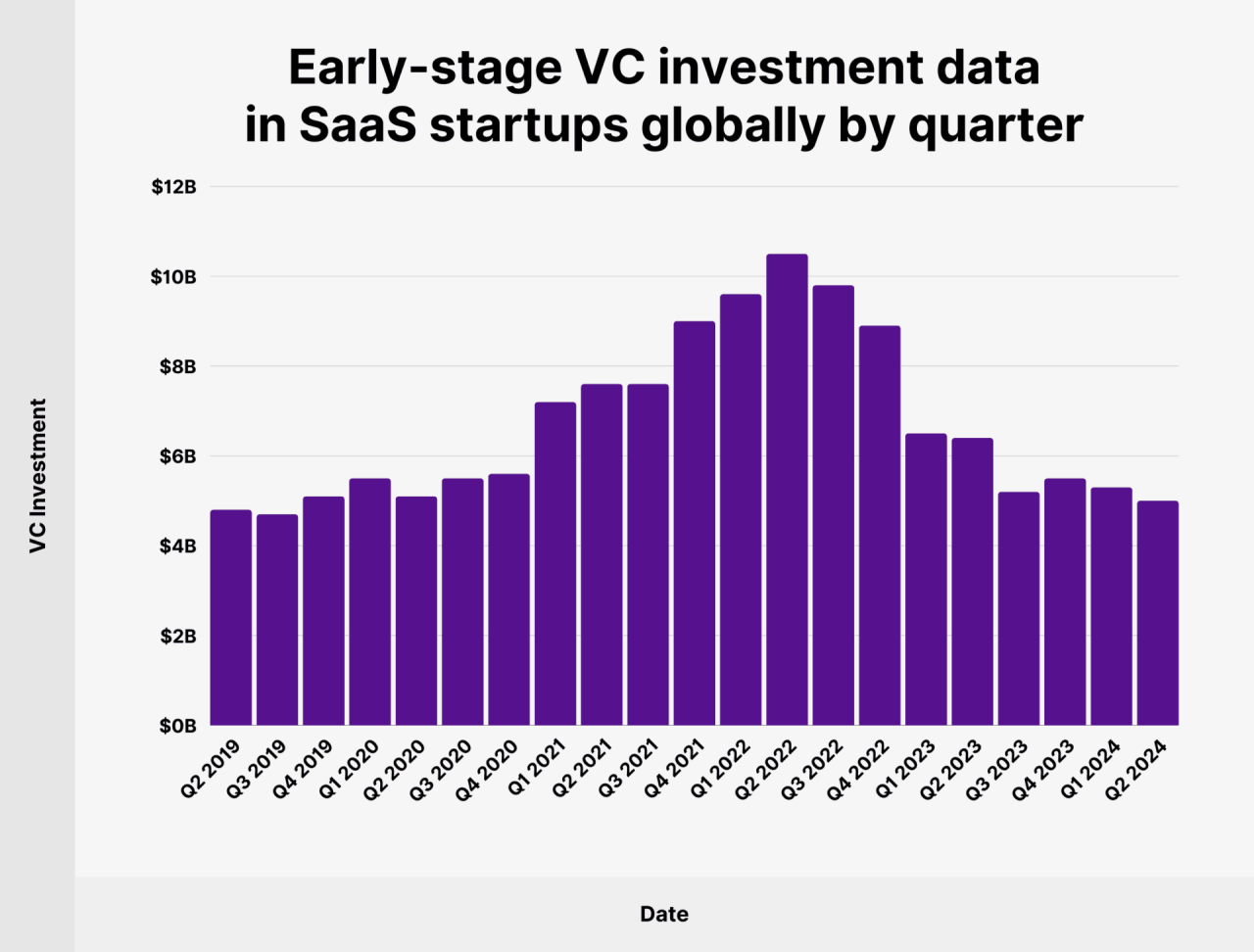 Investors in SaaS startups pay close attention to specific metrics and performance indicators to evaluate the potential success of a company.
Essential Metrics for SaaS Startups
- Monthly Recurring Revenue (MRR): This metric reflects the predictable revenue generated by a SaaS company each month, indicating its financial stability and growth potential.
- Churn Rate: The rate at which customers cancel subscriptions or stop using the service. A low churn rate is essential for sustainable growth and profitability.
- Customer Acquisition Cost (CAC): The cost associated with acquiring a new customer. Investors look for companies with a low CAC relative to the customer lifetime value.
- Customer Lifetime Value (LTV): The total revenue a company can expect to generate from a customer throughout their relationship. A high LTV indicates strong customer loyalty and potential for long-term growth.
Impact of Metrics on Investment Decisions
Investors use these metrics to assess the financial health, growth potential, and sustainability of a SaaS startup. A strong MRR, low churn rate, favorable CAC:LTV ratio, and high LTV can significantly impact investment decisions, as they indicate a viable business model with potential for scalability and profitability.Growth Rate and Scalability in Attracting Venture Capital
- Fast Growth Rate: SaaS startups that demonstrate rapid growth in terms of revenue, customer base, and market share are more likely to attract venture capital. Investors are drawn to companies with the potential for exponential growth in a short period.
- Scalability: Investors seek SaaS startups that have the ability to scale their operations efficiently without proportional increases in costs. Scalability ensures that a company can handle growth without compromising profitability.
Market Analysis and Competitive Landscape
Market analysis is a crucial step in evaluating the potential success of a SaaS startup. It involves researching the target market, understanding customer needs, analyzing competitors, and identifying trends that could impact the business.Conducting Market Analysis for SaaS Startups
Before investing in a SaaS startup, investors carefully analyze the market to determine the demand for the product or service. This involves assessing factors such as market size, growth potential, and target audience demographics. By conducting thorough market research, investors can gain valuable insights into the competitive landscape and identify opportunities for growth.
Evaluating Competitive Positioning
Investors evaluate a SaaS startup's competitive positioning by assessing how it differentiates itself from competitors. This includes analyzing the unique value proposition, pricing strategy, target market segment, and overall market share. Understanding the competitive landscape helps investors assess the startup's ability to attract and retain customers in a crowded market.
Importance of Market Size, Trends, and Competitive Advantages
When considering investment opportunities in SaaS startups, market size, trends, and competitive advantages play a significant role. Investors look for startups operating in large and growing markets with a clear competitive edge. By investing in startups with a solid market position and unique value proposition, investors can maximize their chances of success and profitability.
Product Innovation and Differentiation
In the competitive landscape of SaaS startups, product innovation and differentiation play a crucial role in attracting investor interest and securing funding. Investors carefully assess a startup's product innovation to determine its potential for long-term success and market competitivenessCriteria for Evaluating Product Innovation
Investors look for SaaS startups that demonstrate a clear understanding of market needs and trends, as well as the ability to address them effectively through innovative solutions. Key criteria include:- Unique Features and Functionality: Investors seek startups with unique features or functionalities that set them apart from competitors and provide added value to customers.
- Scalability and Flexibility: The scalability of the product to accommodate growth and the flexibility to adapt to changing market demands are essential considerations for investors.
- User Experience and Interface: A seamless user experience and intuitive interface are critical factors that investors evaluate to ensure customer satisfaction and retention.
- Integration Capabilities: The ability of the product to integrate with other systems and technologies is important for investors looking at the potential for widespread adoption.
Successful Product Differentiation Strategies in SaaS
Successful SaaS startups employ various strategies to differentiate their products and stand out in the market. Some examples include:- Vertical-Specific Solutions: Tailoring the product to serve a specific industry or niche market can create a competitive advantage and attract investors seeking specialized solutions.
- AI and Machine Learning Integration: Leveraging advanced technologies like artificial intelligence and machine learning to enhance product functionality and provide predictive insights can differentiate a SaaS startup.
- Customer-Centric Approach: Prioritizing customer feedback and incorporating user preferences into product development can lead to unique features that resonate with the target audience.
- Partnerships and Integrations: Collaborating with strategic partners and integrating with complementary services can broaden the product's capabilities and increase its value proposition.
Influence of Unique Value Proposition on Investment Prospects
A unique value proposition that clearly articulates the benefits and differentiation of a SaaS product can significantly impact investment prospects. Investors are drawn to startups that offer a compelling value proposition that addresses a specific market need or pain point. A strong value proposition not only attracts customers but also instills confidence in investors regarding the startup's growth potential and ability to capture market share effectively.Team Strength and Leadership
The founding team of a SaaS startup plays a crucial role in attracting venture capital. Investors often prioritize the team behind the business as much as the idea itself. A strong leadership team can demonstrate the ability to execute the business plan, adapt to challenges, and drive growth, which are all key factors that investors consider when making funding decisions.Key Attributes Investors Look for
Investors look for specific attributes in the leadership team of a SaaS startup:- Experience and Expertise: Investors value founders and team members with relevant industry experience and a track record of success in building and scaling similar businesses.
- Vision and Strategy: A clear vision for the product and market, coupled with a well-defined strategy for growth and innovation, is essential to attract investors.
- Resilience and Adaptability: The ability to navigate challenges, pivot when necessary, and continuously learn and improve is highly regarded by investors.
- Team Dynamics: Investors assess how well the team works together, their communication skills, and the overall chemistry within the team, as this can impact the company's success.
- Leadership Skills: Strong leadership qualities such as decisiveness, problem-solving abilities, and the capacity to inspire and motivate others are key factors that investors look for.
Impact of Team Dynamics and Expertise on Funding Decisions
Investors closely evaluate the team dynamics and expertise within a SaaS startup as they can significantly impact funding decisions:- Team Cohesion: A cohesive team with complementary skills and a shared vision is more likely to successfully execute the business plan and achieve milestones, increasing investor confidence.
- Expertise Alignment: Investors assess whether the team's expertise aligns with the requirements of the business, ensuring that the startup has the necessary skills to overcome challenges and drive growth.
- Risk Mitigation: A strong leadership team can mitigate risks associated with market fluctuations, competition, and operational challenges, making the startup more attractive to investors.
- Growth Potential: Team expertise in areas such as product development, sales, marketing, and operations can accelerate the startup's growth trajectory, leading to higher valuation and increased investor interest.
Revenue Model and Pricing Strategy
Revenue model and pricing strategy play a crucial role in determining the success and attractiveness of a SaaS startup to investors. A well-defined revenue model not only showcases a clear path to profitability but also demonstrates the scalability and sustainability of the business.Considerations for Revenue Model and Pricing Strategy
- Subscription-based Model: Offering subscription plans with tiered pricing based on features and usage levels is a popular revenue model for SaaS startups. Investors look for predictable recurring revenue streams and high customer retention rates associated with this model.
- Usage-based Pricing: Some SaaS startups charge customers based on their actual usage of the platform or services. This pay-as-you-go approach aligns pricing with value delivered and can attract investors looking for innovative pricing strategies.
- Freemium Model: Providing a basic version of the product for free while charging for premium features or advanced functionalities can help SaaS startups attract a large user base and convert them into paying customers over time. Investors are interested in the scalability and conversion rates of freemium models.
Closing Summary
In conclusion, this exploration of Venture Capital Trends: What Investors Look for in SaaS Startups in 2026 encapsulates the key elements that investors seek, paving the way for innovative and successful ventures in the dynamic landscape of technology.
Q&A
What are some key metrics that investors look for in SaaS startups?
Investors typically focus on metrics like MRR, churn rate, CAC, and LTV to assess the financial health and growth potential of a SaaS startup.
How does a founding team impact the attraction of venture capital?
The founding team plays a crucial role in garnering venture capital, as investors look for a strong, skilled team with a clear vision and ability to execute effectively.
What pricing strategies do investors analyze when considering investment in SaaS startups?
Investors analyze pricing strategies that demonstrate value, scalability, and potential for revenue growth, often favoring innovative and customer-friendly models.

