

As The Future of Digital Wallets: Navigating Cross-Border Payments in Europe and Asia takes center stage, this opening passage beckons readers with casual formal language style into a world crafted with good knowledge, ensuring a reading experience that is both absorbing and distinctly original.
The content of the second paragraph that provides descriptive and clear information about the topic
Overview of Digital Wallets in Europe and Asia
Digital wallets have become increasingly popular in both Europe and Asia, offering a convenient and secure way to make payments online and in-store. In Europe, digital wallets are widely used for e-commerce transactions and in brick-and-mortar stores, while in Asia, they are also commonly used for peer-to-peer payments and various other transactions.Adoption Rates and Popular Providers
In Europe, digital wallet adoption rates have been steadily increasing, with popular providers such as PayPal, Apple Pay, and Google Pay leading the market. These providers offer a seamless payment experience and are widely accepted by merchants across the region. On the other hand, in Asia, digital wallets like Alipay, WeChat Pay, and Paytm dominate the market, with a high adoption rate due to their integration into everyday life for many consumers.Key Differences in Usage
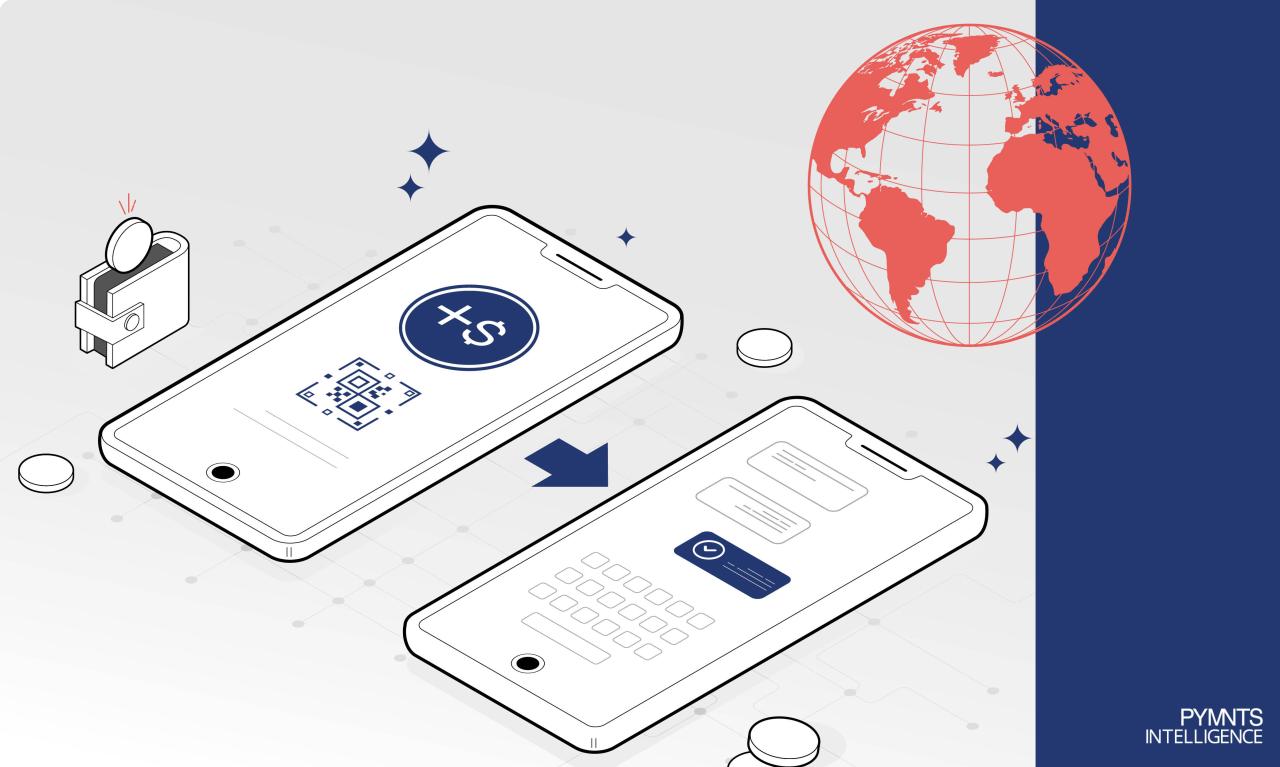
One key difference in how digital wallets are used for payments in Europe versus Asia is the prevalence of QR code payments in Asia. In countries like China, QR code payments are the norm, with users simply scanning a code to complete a transaction. In Europe, on the other hand, NFC-enabled payments are more common, allowing users to tap their smartphones or cards to make a payment. Additionally, the types of transactions vary between the regions, with Asia seeing more peer-to-peer transfers and mobile payments, while Europe focuses more on e-commerce and retail transactions.Cross-Border Payment Challenges
Cross-border payments pose unique challenges in both Europe and Asia due to regulatory differences and varying financial infrastructures. These challenges impact the efficiency and cost-effectiveness of international transactions, making it crucial for digital wallets to adapt and provide solutions.Regulatory Differences Impacting Cross-Border Payments
In Europe, the regulatory landscape for cross-border payments is governed by the Payment Services Directive 2 (PSD2), which aims to increase competition, security, and innovation in the payment industry. On the other hand, Asia has a more fragmented regulatory environment with different countries having their own rules and regulations, making it complex for businesses to operate seamlessly across borders.Addressing Cross-Border Payment Challenges with Digital Wallets
Digital wallets play a key role in addressing cross-border payment challenges by offering features such as multi-currency wallets, instant currency conversion, and lower transaction fees compared to traditional banking channels. Additionally, digital wallets leverage advanced technologies like blockchain and AI to enhance security and streamline the cross-border payment process. By providing a seamless and user-friendly experience, digital wallets are bridging the gap between different regions and facilitating smoother international transactions.Technological Innovations in Digital Wallets
Digital wallets in Europe and Asia are continuously evolving, thanks to technological advancements that are shaping the future of financial transactions. These innovations are revolutionizing the way people manage their money and conduct cross-border payments.Biometric Authentication
Biometric authentication is becoming increasingly popular in digital wallets, enhancing security and convenience for users. By using features such as fingerprint scanning or facial recognition, users can securely access their wallets and authorize transactions with ease.Tokenization Technology
Tokenization technology is another key innovation in digital wallets, where sensitive information like card details are replaced with unique tokens. This enhances security by minimizing the risk of data breaches and unauthorized access, making transactions safer for users.Blockchain Integration
Blockchain technology is revolutionizing cross-border payments by offering increased transparency, speed, and security. Digital wallet providers are leveraging blockchain to enable faster and more cost-effective international transactions, eliminating intermediaries and reducing processing times.AI-Powered Personalization
Artificial intelligence is being used to personalize the user experience in digital wallets, providing tailored recommendations and insights based on spending patterns. AI algorithms analyze data to offer personalized offers, budgeting tips, and reminders, enhancing user engagement and satisfaction.IoT Integration
Integration with Internet of Things (IoT) devices is another emerging trend in digital wallets, allowing users to make seamless payments through connected devices. From smartwatches to cars, IoT integration enables frictionless transactions, making everyday purchases more convenient for consumers.Security and Privacy Concerns
Digital wallet providers have implemented robust security measures to safeguard user data, ensuring secure transactions and protecting sensitive information from cyber threats. These measures include encryption protocols, multi-factor authentication, biometric verification, and tokenization to enhance the security of transactions.Privacy Regulations in Europe and Asia
In Europe, the General Data Protection Regulation (GDPR) sets strict guidelines for data protection and privacy, impacting how digital wallet providers handle user data. Similarly, in Asia, countries like Japan and South Korea have data protection laws in place to regulate the collection and use of personal information. Compliance with these regulations is crucial for digital wallet providers to operate in these regions and gain users' trust.Enhanced Security Features in Digital Wallets
Digital wallets are constantly enhancing their security features to build trust among users for cross-border payments. This includes implementing advanced fraud detection algorithms, real-time transaction monitoring, and secure authentication methods. Additionally, some digital wallet providers offer insurance coverage for unauthorized transactions, adding an extra layer of security for users.Summary
The content of the concluding paragraph that provides a summary and last thoughts in an engaging manner
Frequently Asked Questions
What are some popular digital wallet providers in Europe and Asia?
Answer: Some popular digital wallet providers in Europe are XYZ and ABC, while in Asia, companies like DEF and GHI dominate the market.
How do privacy regulations impact digital wallet usage in Europe and Asia?
Answer: Privacy regulations in Europe and Asia influence how digital wallet providers handle user data and ensure compliance with local laws to protect user privacy.
What are some technological advancements shaping digital wallets in Europe and Asia?
Answer: Technological advancements such as blockchain integration, biometric authentication, and AI-driven fraud detection are transforming digital wallets in Europe and Asia.

